Consanguinity and Genetic Inheritance: Understanding The Link to Connective Tissue & Joint Related Disorders
I am writing this blog not from a place of theory, but from clinical observation, having had the privilege of treating and assessing thousands of patients across Luton and Bedfordshire as a practising Osteopath and Sports Masseuse. Over that time, I have encountered a strikingly high prevalence of connective tissue disorders, chronic joint instability, unexplained musculoskeletal pain and early-onset degenerative conditions often presenting in patients far younger than would normally be expected.
For a long time, this pattern was difficult to explain. Standard lifestyle factors alone did not account for the frequency, severity, or clustering of these conditions.
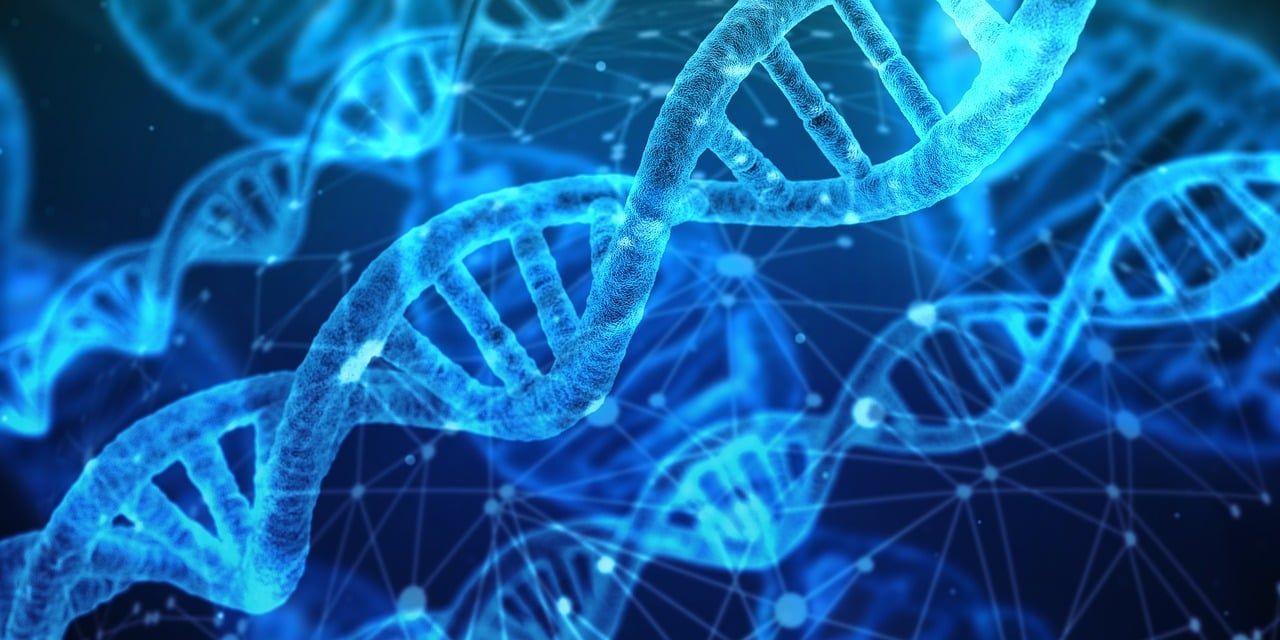
However, as clinical experience accumulated alongside a growing engagement with genetic and epidemiological research, a clearer picture began to emerge. The evidence increasingly pointed toward hereditary and genetic factors, particularly those amplified within populations where consanguineous marriage is common.
This blog exists because remaining silent in the face of preventable medical harm serves no one, least of all patients. My intention is not to stigmatise communities, but to connect clinical reality with established medical evidence and to contribute honestly to a conversation that has significant implications for public health, patient education and future generations.
Medical Evidence, Religious Law, and the Public Health Crisis We Refuse to Confront
Consanguinity and consanguineous marriage between close blood relatives, most commonly first cousins is often defended as a cultural or familial tradition.
However, decades of medical research demonstrate that this practice carries significant and measurable genetic risks, particularly the increased incidence of autosomal recessive disorders, including hereditary connective tissue disorders (HCTDs). These risks are not theoretical. They are clinically observed, statistically documented, and medically devastating, with real-world consequences visible in communities across the UK, most notably in Bradford and Luton.
The Genetic Reality: Why Consanguinity Is Dangerous
From a medical standpoint, the problem is straightforward. When two people who share recent ancestry reproduce, they are far more likely to carry the same recessive genetic mutations. If both parents carry the same faulty gene, their child has a 25% chance of inheriting the condition.
The Genetic Mechanism: Recessive Genes and Health Outcomes
From a genetic perspective, the danger of consanguinity stems from the elevated likelihood that both parents carry the same recessive gene variants. When two carriers of the same recessive mutation have a child, there is a:
- 25% chance the child will inherit two copies of the mutation.
- 50% chance the child will be a carrier.
- 25% chance the child will inherit no copies.
IN OTHER WORDS: Even if your child is not physically affected as a result of consanguinity, they may still be a carrier and go on to have children who then develop genetic defects and this chance is as high as 50%! I do believe that many individuals with joint and connective tissue defects, whom I have seen in the past as a physical therapist treating general public within the Luton and Bedfordshire communities, are as a result of this.
This simple Mendelian pattern explains why:
- Rates of recessive genetic disorders.
- Infant mortality.
- Stillbirth.
- Multisystem congenital conditions.
Are all statistically higher in populations with high consanguinity rates. In areas like Bradford and Luton, UK, where studies (such as the Born in Bradford project) show a high proportion of first-cousin parentage, the increased incidence of recessive disorders is not hypothetical, it is quantitatively documented.
Medical and Public Health Consequences
The cumulative effect of inherited recessive conditions is well understood in clinical genetics:
- Increased rates of connective tissue disorders.
- Higher incidence of neuromuscular diseases.
- Greater likelihood of cardiac anomalies.
- Elevated occurrence of metabolic disorders.
- Increased stillbirth and neonatal mortality.
These are biological consequences of genetics and NOT religious or cultural condemnation.
Children born to first cousins face:
- Twice the baseline risk of serious recessive disorders.
- Elevated rates of connective tissue disorders, including conditions affecting joints, skin, blood vessels, and internal organs.
- Increased likelihood of congenital heart disease, renal disorders, neuromuscular conditions and rare blood disorders.
- Higher rates of stillbirth, infant mortality and lifelong disability.
Large-scale studies confirm this. The Born in Bradford longitudinal study one of the most significant population health studies in the world, found that more than one in six children in the cohort had parents who were first cousins. These children faced a 6% risk of inheriting a recessive disorder, compared with 3% in the general population. This is not conjecture, it is population-level evidence gathered over nearly two decades.
Consanguinity and incest significantly increase the risk of autosomal recessive genetic disorders due to shared ancestry. When both parents carry the same pathogenic gene variant, the probability of serious inherited disease rises sharply. These risks escalate further with repeated generations of close-relative marriage, a pattern documented in highly consanguineous populations.
1. Hereditary Connective Tissue Disorders (HCTDs)
Connective tissue disorders are particularly overrepresented in consanguineous populations because many are inherited in an autosomal recessive or complex recessive pattern.
Commonly reported disorders include:
- Ehlers–Danlos syndromes (EDS) (recessive subtypes)
- → Joint hypermobility, skin fragility, chronic pain, vascular rupture
- Marfan syndrome (rare recessive variants)
- → Aortic aneurysm, skeletal deformities, sudden cardiac death.
- Cutis laxa
- → Loose, inelastic skin, pulmonary emphysema, arterial aneurysms.
- Osteogenesis imperfecta (recessive forms)
- → Brittle bones, frequent fractures, skeletal deformity.
- Stickler syndrome (recessive forms)
- → Joint degeneration, hearing loss, retinal detachment.
- Loeys–Dietz syndrome (rare familial clustering)
- → Aggressive vascular disease, arterial rupture in childhood
These conditions often result in lifelong disability, reduced life expectancy and repeated surgical intervention.
2. Congenital and Structural Birth Defects
Children born from consanguineous unions show significantly higher rates of:
- Congenital heart defects (septal defects, cardiomyopathy)
- Neural tube defects (spina bifida, anencephaly)
- Cleft lip and palate
- Skeletal dysplasia
- Renal agenesis and cystic kidney disease
- Limb malformations
- Facial dysmorphism
These defects frequently require complex neonatal care and are a leading cause of early mortality.
3. Neurological and Developmental Disorders
Consanguinity is strongly associated with:
- Severe intellectual disability
- Global developmental delay
- Autism spectrum disorders (recessive syndromic forms)
- Epileptic encephalopathies
- Microcephaly and brain malformations
Many affected children require full-time care throughout life.
4. Metabolic and Blood Disorders
Autosomal recessive metabolic diseases are markedly elevated, including:
- Inborn errors of metabolism
- (e.g. amino acid, lipid, and carbohydrate metabolism disorders)
- Sickle cell disease
- Thalassaemia major
- Glycogen storage disorders
- Lysosomal storage diseases (e.g. Tay–Sachs–like conditions)
These conditions often lead to organ failure, repeated hospitalisation, and early death if untreated.
5. Reproductive and Perinatal Outcomes
One of the most devastating consequences of consanguinity is its impact on pregnancy outcomes:
- Increased stillbirth rates
- Higher rates of miscarriage
- Neonatal death
- Infant mortality
- Premature birth
- Low birth weight
Studies in Bradford and Luton demonstrate that these outcomes occur well above the national average, correlating strongly with first-cousin and closer unions. Stillbirth and neonatal death are frequently linked to previously undiagnosed recessive disorders incompatible with life.
6. Multi-Generational Harm
When consanguinity is practised repeatedly across generations, risks do not reset - they accumulate. This results in:
- Clustering of rare genetic syndromes
- Increased healthcare burden
- Entrenched disability within families
- Psychological and economic strain on caregivers
- Preventable suffering transferred to children
Luton and Bradford: When Data Meets Reality
In Luton, qualitative research involving Pakistani/Kashmiri families revealed:
- Higher-than-average rates of stillbirth and infant mortality.
- Limited understanding of genetic risk.
- Resistance to medical evidence linking consanguinity to poor outcomes.
- A lack of open discussion within communities about inherited disease.
Healthcare professionals working in these areas consistently report that genetic counselling is under-utilised, often refused, or misunderstood—frequently due to social pressure rather than religious belief. The consequence is predictable: avoidable suffering repeated across generations.
Consanguinity, Genetics, and the Islamic Context
When discussing consanguinity and inbreeding, it is important to separate religious doctrine from cultural practice, and to recognise the observed health outcomes that arise from genetic inheritance patterns. According to available data on consanguineous marriage rates worldwide, the following countries rank among those with the highest proportions of marriages between close blood relatives:
Inbreeding by Country (2026) — Top 5
- Pakistan — 61.2%
- Kuwait — 54.3%
- Qatar — 54%
- United Arab Emirates — 50.5%
- Sudan — 50%
These figures document relatively high rates of cousin marriage in populations where consanguineous unions are socially common. Many of these countries, including Pakistan, Kuwait, Qatar, the UAE, and Sudan have majority Muslim populations. Saudi Arabia itself, although not included in this top-5 ranking is widely recognised in genetic and public health literature as having similarly high rates of consanguineous marriage, contributing to increased genetic disease prevalence. What this suggests is not that a religion causes genetic disease, clearly it does not, but that long-term social practices within certain populations can lead to a higher probability of autosomal recessive genetic disorders when many generations involve close-relative unions.
Religion Versus Practice
It is crucial to clarify an important point that Islamic scripture itself does not promote inbreeding. The Qurʾān clearly outlines forbidden relationships in Sūrah An-Nisāʾ (4:22–23) and prohibits incest and harmful unions. Historically and theologically, Islamic scholars have consistently viewed marriage practices through ethical and moral lenses, emphasising the avoidance of harm.
Scholarly consensus is clear:
- Incest is haram (forbidden).
- Harm (ḍarar) is prohibited in Islamic jurisprudence.
- Practices that cause predictable physical harm violate the objectives of Islamic law (Maqāṣid al-Sharīʿah), particularly the preservation of life and health.
While first-cousin marriage is technically permitted, permission does not equal endorsement, and Islamic jurisprudence strongly discourages practices that lead to harm. In other words: ongoing inbreeding is not a religious requirement.
So why do patterns of consanguinity persist in some Muslim-majority countries and within diaspora communities in the UK? The answer lies not in religion, but in culture, tradition, family structure, socioeconomics, and social norms. In many communities, cousin marriage is viewed as a way to:
- Preserve family cohesion
- Maintain property within extended families
- Strengthen social alliances
- Preserve familiarity
These social incentives can be powerful, even when the medical evidence suggests risk.
Law, Ethics, and the Limits of Cultural Defence
Both state law and religious ethics prioritise the prevention of harm and medical professionals oppose consanguinity for the main following reasons:
- The genetic risks are well-established.
- The burden falls disproportionately on children who cannot consent.
- The healthcare system absorbs the long-term consequences.
When these facts are presented, criticism is often deflected with accusations of “Islamophobia" which is a category error. Criticising a harmful practice is not the same as attacking a faith or its followers, especially when that practice contradicts the religion’s own ethical principles. Shielding dangerous behaviour from scrutiny under the banner of cultural sensitivity does not protect communities; it traps them in cycles of preventable suffering.
Why the Practice Persists
Research consistently points to non-religious drivers:
- Family pressure and inheritance concerns
- Social control and insularity
- Fear of community backlash
- Mistrust of medical institutions
- Lack of accessible, culturally competent genetic education
These are social problems, not theological ones—and they require honest discussion, not denial.
Breaking the Silence
Consanguinity is not a victimless tradition, the victims are visible in neonatal wards, disability registers, and genetic clinics across the UK. Ending the cycle requires:
- Transparent public health messaging
- Community-led education grounded in medical facts
- Genetic counselling without stigma
- The courage to distinguish religious belief from harmful custom
Silence, denial, and mislabelled criticism only ensure that the next generation pays the price.
Summary
- Consanguinity remains statistically high in several countries with large Muslim populations.
- Islamic law does not endorse incest or harmful marriage practices, and clearly prohibits prohibited relationships (Qurʾān 4:22–23).
- The observed health outcomes, including recessive genetic disorders and higher mortality rates are a medical and genetic reality, documented by research both in the UK and internationally.
- Understanding the difference between religious teaching and cultural practice is essential when discussing this sensitive intersection of health, community and belief.
References
- Al-Gazali, L. et al. (2006). The profile of major congenital abnormalities in the United Arab Emirates. Journal of Medical Genetics, 43(1), pp. 52–56.
- Bhopal, R. et al. (2014). The health of ethnic minority populations in the UK. BMJ, 348, g3326.
- Bittles, A.H. (2001). Consanguinity and its relevance to clinical genetics. Clinical Genetics, 60(2), pp. 89–98.
- Darr, A. and Modell, B. (1988). The frequency of consanguineous marriage among British Pakistanis. Journal of Medical Genetics, 25(3), pp. 186–190.
- Hamamy, H. (2012). Consanguineous marriages: preconception consultation in primary health care settings. Journal of Community Genetics, 3(3), pp. 185–192.
- Modell, B. and Darr, A. (2002). Genetic counselling and customary consanguineous marriage. Nature Reviews Genetics, 3(3), pp. 225–229.
- Shaw, A. (2009). Negotiating risk: British Pakistani experiences of genetics. Berghahn Books, Oxford.
- Sheridan, E. et al. (2013). Risk factors for congenital anomaly in a multi-ethnic birth cohort: an analysis of the Born in Bradford study. The Lancet, 382(9901), pp. 1350–1359.
- Sheridan, E., Wright, J. and Small, N. (2017). Risk of congenital anomaly in children of consanguineous parents: a population-based cohort study. BMJ Open, 7(1), e014134.
- Tadmouri, G.O. et al. (2009). Consanguinity and reproductive health among Arabs. Reproductive Health, 6(17).